It is no wonder that images matter most in clothing ecommerce business. When you are taking photos of clothes for sure you want to show all the colors, fabrics, and details clearly. And here, good pictures help people see the real look of the clothes. S, of course, for such cases, the camera plays a very important role.
But for clothing photography, which camera will be best? That remains a major question or confusion. That is why here we are to help you. In this comprehensive guide we will introduce you to the best camera for clothing photography for all types of needs. All you need to keep on reading.
| Best Cameras for Clothing Photography |
|---|
| Best Overall Camera for Clothing Photography: Canon EOS R5 Best ultra‑high resolution Camera for Fabric Details: Sony A7R IV / A7R V Best Mid-Range Camera for Small Brands: Fujifilm X‑T5 Best Budget Camera for Clothing Photography: Canon EOS 90D Best mid-range mirrorless for Clothing Photography: Sony A6400 Best DSLR for Professionals: Nikon D850 |
Best Cameras For Clothing Photography: Quick Overview
| Specification | Canon EOS R5 | Sony A7R V | Fujifilm X‑T5 | Canon EOS 90D | Sony A6400 | Nikon D850 |
| Sensor Type | Full‑frame CMOS | Full‑frame CMOS | APS‑C X‑Trans CMOS 5 HR | APS‑C CMOS | APS‑C CMOS | Full‑frame BSI CMOS |
| Resolution | 44.8 MP | 61 MP | 40.2 MP | 32.5 MP | 24.2 MP | 45.7 MP |
| ISO Range | 100–51,200 (exp. 50–102,400) | 100–32,000 (expandable) | 125–12,800 (exp. 64–51,200) | 100–25,600 | 100–32,000 | 64–25,600 |
| Autofocus System | Dual Pixel CMOS AF II | Hybrid Fast AF | Intelligent Hybrid AF | Dual Pixel CMOS AF | Fast Hybrid AF + Eye AF | 153‑point phase‑detect AF |
| Continuous Shooting | Up to 12 fps mech / 20 fps elec | 10 fps | Up to 20 fps elec / 15 fps mech | 10 fps | 11 fps | 7 fps |
| Image Stabilization | 5‑axis IBIS | In‑body IBIS | 5‑axis IBIS | No IBIS | No IBIS | No IBIS |
| Video Capabilities | 8K + 4K | 8K/24p + 4K up to 60p | 6.2K + 4K | 4K | 4K | 4K UHD |
| Viewfinder | 5.76 M‑dot EVF | 9.44 M‑dot EVF | 3.69 M‑dot EVF | Optical pentaprism | 2.36 M‑dot EVF | Optical viewfinder |
| Screen | Vari‑angle touchscreen | Tilting touchscreen | Tilting touchscreen | Articulating touchscreen | 180° tilt touchscreen | Tilting touchscreen |
| Weather Sealing | Yes | Yes | Yes | Yes | Basic | Yes |
| Approx. Price (Body Only) | $3,899 | $3,298–$3,399 | $1,699 | $1,200–$1,300 | $900–$1,000 | $1,996–$2,600 |
| Best For | Pro fashion & studio detail | Ultra high‑resolution work | Mid‑range creators & color | DSLR photographers | Entry mirrorless users | Pro DSLR image quality |
Canon EOS R5 – Best Overall Camera for Clothing Photography
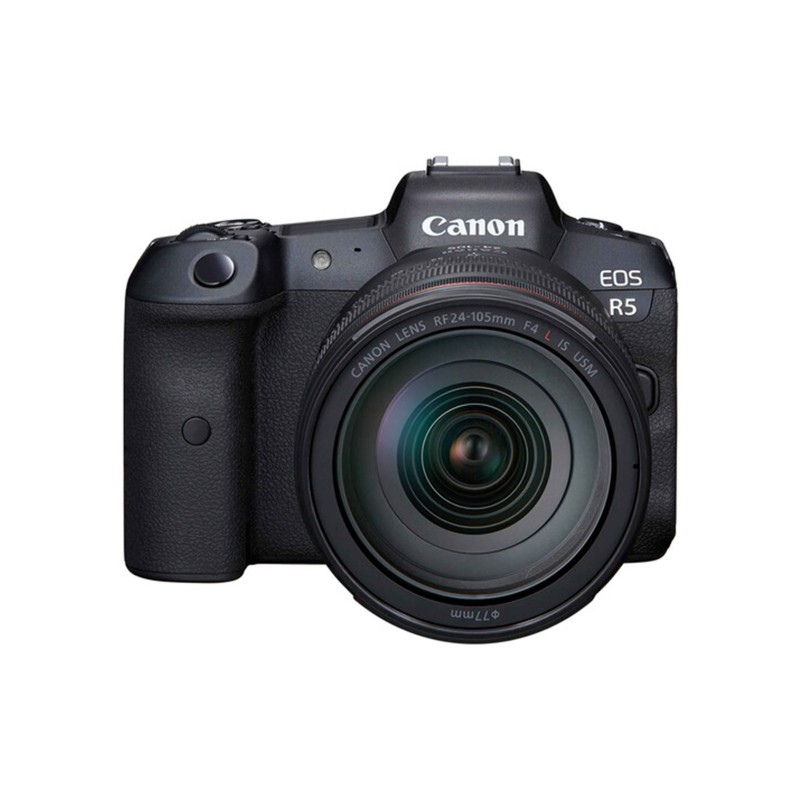
Image source: https://photofocus.com.bd/products/canon-eos-r5-mirrorless-camera
| Key Features |
|---|
| Sensor: Full‑frame CMOS sensor with about 45 megapixels Processor: DIGIC X image processor Autofocus: Advanced Dual Pixel CMOS AF II Continuous Shooting: Up to 20 frames per second Image Stabilization: Built‑in 5‑axis stabilization ISO Range: ISO 100–51,200 (expandable to 50–102,400) Viewfinder & Screen: Large electronic viewfinder and tilting touchscreen Video: Record 8K video and high‑quality 4K. |
The Canon EOS R5 is the best overall mirrorless camera. It is widely used by photographers around the world for high-quality fashion and clothing. Of course that also has very prominent reasons.
First of all, it combines high-resolution imaging and accurate autofocus. Its strong low-light performance, and fast shooting speed in a single package make your clothing photography easier. On top of that, its 45-megapixel full-frame sensor captures every detail of fabrics. That is true even with delicate silk folds to intricate stitching in denim.
Moreover, the advanced Dual Pixel CMOS AF II autofocus keeps both models and outfits in sharp focus. It ensures clean and professional shots in studio or lifestyle settings.
The camera helps you maintain accurate colors and fine fabric textures with a wide ISO range of 100–51,200 and the EOS R5 that performs reliably in bright studio lights.
So, from my personal perspective, the EOS R5 provides everything a clothing photographer needs to produce detailed and professional-quality images. Sure, it’s worth considering!
| Pros | Cons |
| Very high image detail Advanced autofocus systemFast shooting speed 8K video capability | It is expensive compared to many other camerasHigh resolution photos take more storage and need fast memory cards |
Sony A7R V – Best High‑Resolution Camera for Clothing Photography
| Key Features |
|---|
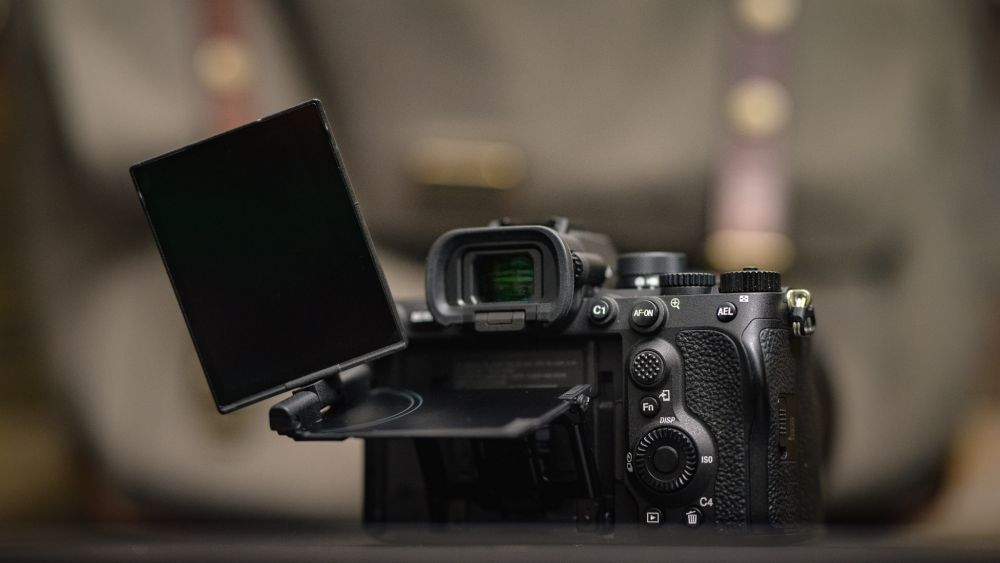
| Sensor: 61 megapixel full‑frame CMOS Image Stabilization: Built‑in 5‑axis stabilization ISO Range: 100–32,000 (expandable to 50–102,400) Autofocus: Hybrid AF with many focus points and smart tracking. Viewfinder & Screen: High‑resolution electronic viewfinder and tilting touchscreen Video: 8K and high‑quality 4K video Memory Cards: Dual card slots |
If you are looking for a camera that can offer you exceptional image detail, the Sony A7R V is the one you should check out. With a 61‑megapixel sensor, it captures very high‑resolution photos. For this reason, it can also reveal even the finest textures in fabrics.
On top of that, the camera is different from any other lower resolution cameras. The A7R V gives you more room to crop images without losing quality. Moreover, it pairs well with high‑quality lenses that can resolve fine details.
Moreover, the electronic viewfinder of the camera is bright and detailed. You can also handle wide ISO ranges like 100–32,000 with this camera. That means it can maintain good detail and color accuracy in well‑lit and lower‑light conditions. Its autofocus system uses hundreds of focus points and smart subject tracking. Ultimately, it assists you in keeping models and clothing sharp as you shoot.
So, ultimately, if you want a hybrid tool for fashion footage, I must suggest you check the camera out.
| Pros | Cons |
| Ultra‑high resolutionAdvanced autofocus and trackingStrong image stabilization Excellent video support | Large file sizes require more storageSlower continuous shooting speed |
Fujifilm X‑T5 – Best Mid-Range Camera for Small Brands
| Key Features |
|---|
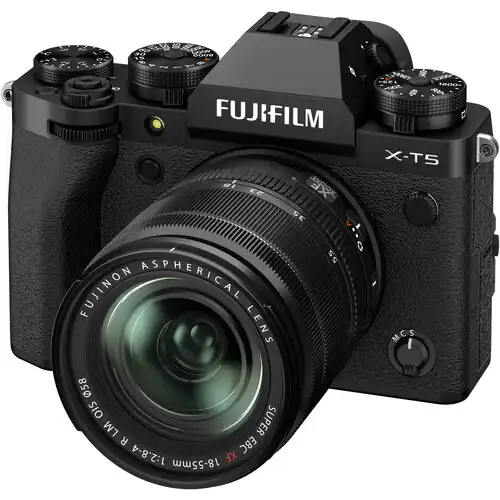
| Sensor: 40.2 MP APS‑C X‑Trans CMOS 5 HR sensor Processor: X‑Processor 5 Image Stabilization: 5‑axis IBIS Autofocus: Intelligent Hybrid AF with many focus points ISO Range: ISO 125–12,800 (extended to ISO 64–51,200) Continuous Shooting: Up to 15 fps (mechanical) / 20 fps (electronic) Viewfinder & Screen: 3.69M‑dot EVF and 3″ tilting touchscreen Video: 6.2K/30p and 4K/60p video support |
The Fujifilm X‑T5 is a mirrorless camera that offers a strong balance between image quality and portability. With its advanced features, it is a great option for photographers who want professional‑level still images without the higher price of full‑frame models.
As for exceptional features, the camera uses a 40.2‑megapixel X‑Trans CMOS 5 HR sensor. You know it is one of the highest‑resolution APS‑C sensors available today. That high pixel count helps capture very fine details in fabrics. On top of that the sensor works with the X‑Processor 5 image processor to deliver good overall image quality and color reproduction.
You know what’s more unique about the camera? Its autofocus on the X‑T5 uses a hybrid Intelligent AF system with many focus points spread over the frame. It allows the camera to keep subjects sharp. So, you can use this camera for both studio photos and casual fashion shoots, where moving models’ poses need reliable focusing.
The camera also offers in‑body image stabilization (IBIS). It helps to keep images sharp even when you are handhelding the shooting. The X‑T5 has a wide ISO sensitivity range, and it can shoot at up to 20 frames per second using its electronic shutter when needed.
Moreover, it displays images on a high‑resolution electronic viewfinder and a tilting touchscreen. It makes composing fashion and clothing shots easier.
So, as you see, the camera is a combination of high resolution, stabilization, color quality, and solid autofocus. That is what makes the Fujifilm X‑T5 a strong choice for photographers focused on clothing and everyday creative work.
Canon EOS 90D – Best DSLR Option for Clothing Photography
| Key Features |
|---|
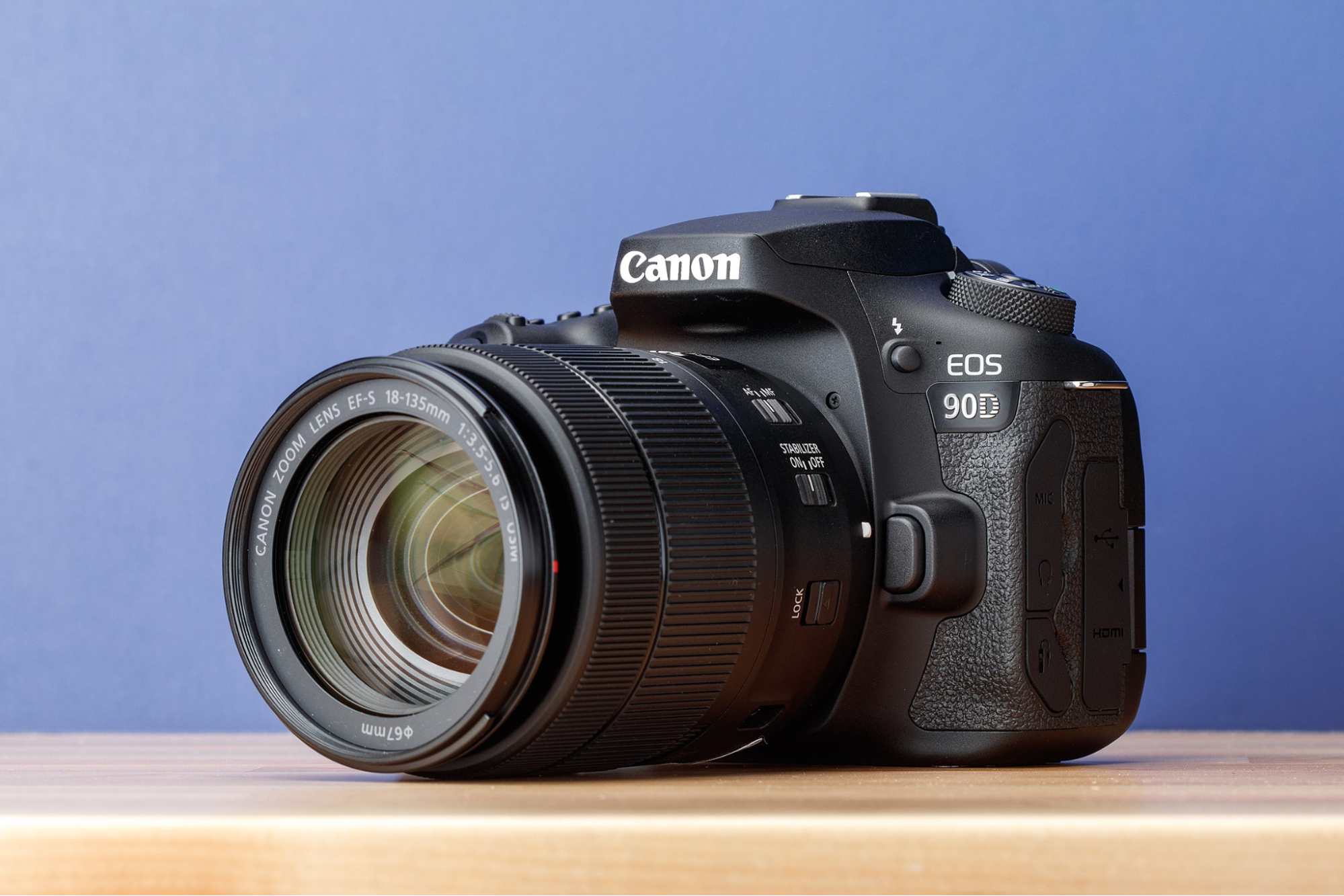
| Sensor: 32.5 MP APS‑C CMOS sensor Processor: DIGIC 8 image processor Autofocus: Dual Pixel CMOS AF and 45 cross‑type AF points Continuous Shooting: Up to 10–11 fps ISO Range: Broad sensitivity range for shooting in different light. Video: 4K video recording with full sensor width Viewfinder & Screen: Optical viewfinder with 100% coverage and a fully articulating touchscreen |
The Canon EOS 90D is a powerful DSLR camera that many photographers still choose for high‑quality photo work. It uses a 32.5‑megapixel APS‑C sensor that produces detailed images with good color and clarity.
You know what makes the EOS 90D appealing for clothing photography is its balance of resolution and shooting speed. The large APS‑C sensor with the DIGIC 8 processor offers sharp images with rich detail. Ultimately, it helps capture textures and fabric patterns clearly.
On top of that, the camera also includes reliable Dual Pixel CMOS autofocus. The 90D of the camera with a wide ISO range helps you maintain image quality in bright and lower‑light.
It also lets you shoot video in 4K resolution using the full width of the sensor. So, it gives you professional‑looking fashion footage without cropping.
| Pros | Cons |
| High resolution APS‑C sensor Reliable autofocus system for both stills and Live View shootingDecent continuous shooting speed 4K video from full sensor area | No in‑body image stabilization (IBIS)Battery and weight — heavier and bulkier |
Sony A6400 – Great Mid‑Range Camera for Clothing Photography
| Key Features |
|---|
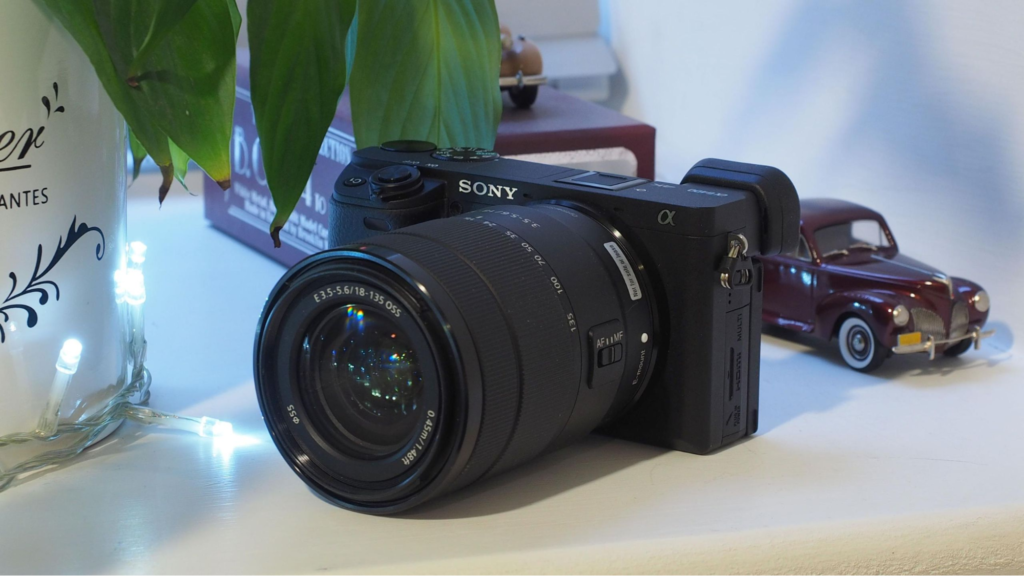
| Sensor & Processor: 24.2 MP APS‑C Exmor CMOS sensor with BIONZ X processor, Autofocus: 425 phase‑detection + 425 contrast AF points with Real‑Time Eye AF and tracking ISO Range: ISO 100–32,000 (expandable to 102,400) Continuous Shooting: Up to 11 fps Video: 4K recording at up to 30 fps with full pixel readout Screen & Viewfinder: 3″ 180° tilting touchscreen with 2.36 M‑dot EVF Connectivity: Wi‑Fi, Bluetooth, and NFC |
You know the Sony A6400 is my favourite mid-range camera for clothing photography. That of course got a reason. This popular mirrorless camera offers me good quality photos without spending too much money. You can get fast autofocus, reliable image detail, and useful features for clothing photography.
Now let’s talk about its features.
- The camera has a 24.2‑megapixel APS‑C sensor that captures clear and detailed images.
- The sensor works with a BIONZ X image processor to produce vibrant photos with good color and contrast.
- The A6400 also has a wide ISO range from 100 to 32,000. It is expandable to 102,400. So it can handle shooting in bright light and lower light conditions.
Moreover, the A6400 autofocus system of the camera is its biggest strength. It uses 425 phase‑detection and 425 contrast‑detection points that cover most of the frame. It includes Real‑Time Eye AF and subject tracking. That means the camera can quickly detect and follow faces and clothing details as models move, helping keep shots sharp and clear.
The A6400 can also shoot continuously at up to 11 frames per second. So, it lets photographers capture multiple poses quickly. The 180° tilting touchscreen and electronic viewfinder also make the camera more attractive for clothing photographers like me. So, it must suggest you to try this camera out if you want a high-quality clothing camera without breaking your bank.
| Pros | Cons |
| Fast and accurate autofocus Good image quality with natural colors4K video adds valueCompact and lightweight body | No in‑body image stabilization (IBIS)Battery life is average |
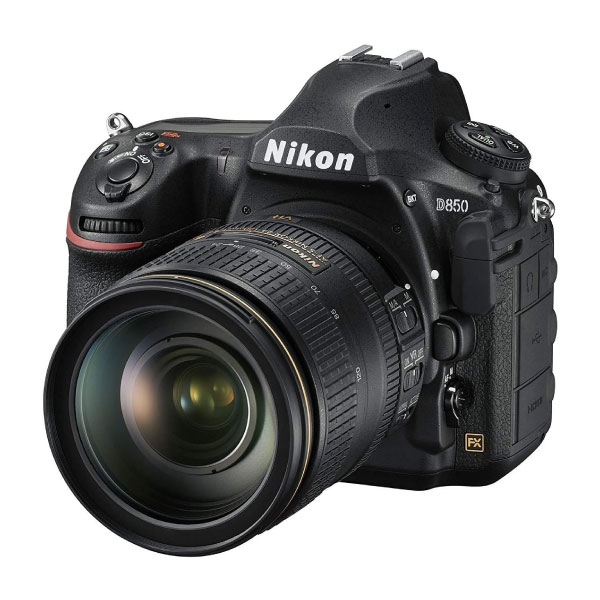
Nikon D850 – Best DSLR for Professionals
| Key Features |
|---|
| Sensor: 45.7 MP full‑frame BSI CMOS sensor Processor: EXPEED 5 image processor ISO Range: ISO 64–25,600 (expandable) Autofocus: Multi‑CAM 20K AF with 153 focus points (99 cross‑type) Continuous Shooting: Up to 7 fps (9 fps with optional battery grip) Viewfinder & Screen: Optical viewfinder with 100% coverage and a high‑resolution tilting LCD Battery Life: Excellent battery performance Video: 4K UHD video capture without crop |
You know the Nikon D850 is one of the most respected professional DSLR cameras. On top of that it continues to be highly recommended for photographers who want exceptional still image quality for detailed work such as clothing photography.
If we talk about its exceptional features, the camera has a powerful sensor and robust design. It makes it suitable for studio shoots, lookbooks, and e‑commerce images where fabric texture and color accuracy matter.
The camera also uses a 45.7‑megapixel full‑frame sensor with no optical low‑pass filter. They allow it to capture extremely fine detail in every shot. The sensor is backed by Nikon’s EXPEED 5 image processor. What is the benefit? It helps maintain high image quality and strong performance in a wide range of ISO sensitivities.
Although it’s a DSLR with an optical viewfinder, the D850 still holds strong appeal for professionals. It combines a high‑resolution sensor with solid autofocus performance and excellent dynamic range. So your clicked images remain sharp and detailed even in varied lighting conditions.
According to my experience, its battery life is also impressive. The camera is capable of shooting far more frames per charge than many mirrorless competitors. Ultimately, it makes Nikon D850 a reliable choice for clothing photographers for long photo sessions in studios or on location.
| Pros | Cons |
| Extremely high resolutionExcellent dynamic range & detailStrong autofocus systemLong battery life | Heavier and bulkier than most mirrorless camerasNo in‑body image stabilization (IBIS) |
How Much Do the Best Cameras for Clothing Photography Cost?
When it comes to clothing photography, the make-or-break of the shooting success largely depends on the camera you choose. But just choosing the best camera is not enough, as pricing matters a lot. So, how much can the mentioned clothing cameras cost you? Let us check it out in the overview table below.
| Camera | Approx. Price (Body Only) | Price Tier | Best For |
| Canon EOS R5 | $3,899 | Premium | Professional fashion and studio photography |
| Sony A7R V | $4,198 | Premium | Ultra‑high detail and pro mirrorless |
| Fujifilm X‑T5 | $1,699–$1,899 | Mid‑range | Detailed APS‑C clothing shots |
| Canon EOS 90D | $1,200–$1,300 | Mid‑range | DSLR option for detailed photography |
| Sony A6400 | $900–$1,000 | Mid‑range | Great autofocus and entry mirrorless performance |
| Nikon D850 | $2,000–$2,600 | Upper Mid‑range | Professional DSLR with strong image quality |
How to Choose the Best Camera for Clothing Photography
Honestly speaking, choosing the best camera is not about just choosing the most expensive model. It takes more than that. You should think about how you shoot, your budget and so on. Let us check out below what factors you should consider to choose the best camera for clothing photography.
1. Sensor size and image quality
First of all comes the sensor of a camera. A bigger sensor usually means better image quality and more detail. They offer better performance in different lighting conditions. Moreover, full‑frame sensors are excellent for detailed clothing shots. That is because they capture more light and offer better color. In contrast, APS‑C sensors capture great detail and can be more affordable. That is why you should choose the right sensor that can help you get sharp and detailed images of fabrics.
2. Resolution
Coming to the next resolution. It tells you how much detail a camera can capture. A camera with more megapixels can record more fine details in clothes. It is useful if you make large prints or need to crop images later. For most clothing photography, 24–45 MP is enough. However, cameras with higher resolution can offer even more detail for large catalogs.
3. Autofocus and performance
For clothing photography, good autofocus (AF) performance is essential. You should look for cameras with eye/face detection and wide coverage AF points. That is because then the camera can keep people and outfits in focus even if they move. You should keep in mind that fast and reliable autofocus helps you shoot sharper images with less waste.
4. ISO range and low‑light performance
As you know we often need to do clothing photography indoors with studio lights. However, sometimes you may shoot in natural or low light. That is why ISO range matters. A wide ISO range means the camera can capture clear images in darker conditions without too much noise. Cameras with good high‑ISO performance give you cleaner images when you can’t use strong lighting.
5. Lens system and compatibility
As for lenses, you should choose a system with a variety of lenses suitable for fashion and portrait work. For instance, like 35 mm, 50 mm, 85 mm, or 24‑70 mm zooms. Good lenses help you control depth of field. It is important for making clothes stand out from the background.
6. Handling and workflow
Think about how you’ll work with the camera on a daily basis. Battery life matters if you shoot for long sessions. Ergonomics (how comfortable the camera feels) can make a big difference during long shoots. Connectivity (like Wi‑Fi, Bluetooth) helps with transferring images quickly. These practical details can affect how easy or enjoyable it is to shoot clothing images regularly.
7. Budget and value
When choosing a camera for clothing photography, your budget helps decide what features you can get. You should get a camera that is offering you best features within your budget. Here is a pricing overview of the recommended cameras and their estimated pricing.
| Camera | Sensor Type | Best Use in Clothing Photography | Approx. Price |
| Sony A6400 | APS‑C | Great autofocus and beginner mirrorless | $900–$1,000 |
| Canon EOS 90D | APS‑C | Reliable DSLR option for detailed stills | $1,200–$1,300 |
| Fujifilm X‑T5 | APS‑C | Mid‑range camera with vibrant images | $1,699 |
| Nikon D850 | Full‑frame | Professional DSLR with high resolution | $1,996–$2,600 |
| Canon EOS R5 | Full‑frame | Pro‑level mirrorless for detailed fashion | $2,599–$3,899 |
| Sony A7R V | Full‑frame | Ultra‑high‑resolution mirrorless | $3,298–$3,399+ |
Conclusion
So, all in all, when you are choosing the best camera for clothing photography, you should first consider your priorities. You should think about whether you need a full-frame professional camera or a mid-range camera on a budget.
Ultimately, the best camera depends on your shooting style and your budget. Take your time to assess the features that matter most. Then only choose the best one. After all, it is all about capturing beautiful and detailed clothing photos that your clients will love!