Every photographer, eCommerce brand, and creative agency eventually hits the same wall: the volume of images that need editing grows faster than the time available to edit them. Outsource photography editing has become the standard solution — and in 2026, it’s no longer just a cost-saving tactic. It’s a strategic decision that determines how fast a business can scale, how consistent its visual brand looks, and how much time its team can spend on the work that actually grows the business.
Whether you’re a solo photographer drowning in a backlog of wedding photos, an eCommerce brand launching hundreds of new SKUs every month, or an agency managing image production for multiple clients, outsourcing photo editing can be the difference between growth and burnout.
In this complete guide, we cover everything you need to know about outsourcing photo editing — the benefits, the risks, how to choose the right partner, what it costs, and how to set up a workflow that delivers consistent, professional results every time.
| Topic | What You’ll Learn |
|---|---|
| What It Means | Definition and scope of outsourcing photo editing |
| Why Businesses Outsource | Cost, time, quality, and scalability benefits |
| What Can Be Outsourced | Tasks commonly handled by outsourced editors |
| In-House vs. Outsourcing | Honest cost and quality comparison |
| How to Choose a Partner | What to look for in an outsourcing provider |
| Setting Up the Workflow | Briefs, style guides, and communication |
| Common Risks & Mistakes | What goes wrong and how to avoid it |
| Pricing Guide | What outsourced photo editing costs in 2026 |
What Does It Mean to Outsource Photo Editing?
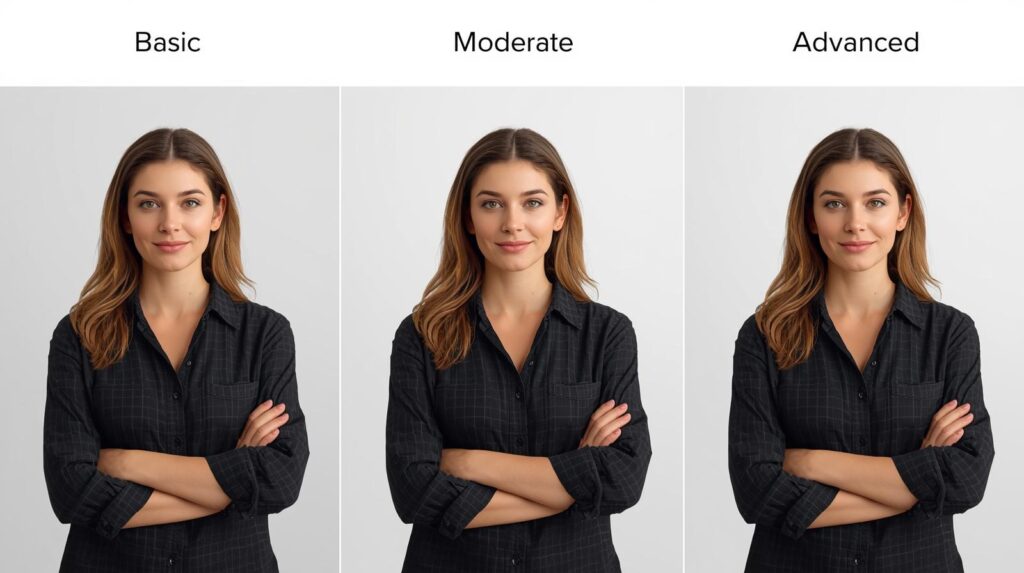
Outsourcing photo editing means hiring an external company or team of specialists to handle some or all of your image post-production, instead of doing it yourself or maintaining an in-house editing team. The outsourced team receives your raw or selected images along with editing instructions, processes them according to your specifications, and returns finished, ready-to-use files.
This model is used across virtually every industry that depends on visual content:
- eCommerce brands and sellers — outsourcing bulk product photo editing for marketplace listings
- Photographers — outsourcing post-production for wedding, portrait, real estate, and commercial shoots
- Fashion brands — outsourcing ghost mannequin editing and catalog retouching
- Real estate agencies — outsourcing property photo editing and virtual staging
- Marketing agencies — outsourcing image production for multiple client accounts
- Studios and production houses — outsourcing overflow work during peak seasons
Outsourcing photo editing isn’t an all-or-nothing decision. Many businesses outsource specific tasks — like background removal or clipping path work — while keeping creative direction, final review, and brand-defining edits in-house. Others outsource the entire post-production pipeline, from raw file to delivery-ready image.
Why Businesses Outsource Photo Editing in 2026
Significant Cost Savings
Building an in-house editing team is expensive — and the costs go far beyond salaries. A full-time retoucher requires recruitment, training, software licenses (Adobe Creative Cloud, plugins, plus the hardware to run them), benefits, paid leave, and ongoing management. For most businesses, this fixed cost structure doesn’t match the variable, often seasonal nature of image editing demand.
Outsourcing converts this fixed cost into a variable one — you pay per image, per project, or per month based on actual volume. During slow periods, costs drop proportionally. During busy periods, you scale up without hiring, training, or managing additional staff.
Faster Turnaround at Scale
Professional photo editing outsourcing companies operate with teams of specialized retouchers working across time zones — meaning a batch of images sent at the end of your working day can be returned, fully edited, by the time you start the next morning. This kind of overnight turnaround is virtually impossible for a small in-house team, especially during high-volume periods like seasonal launches or sales events.
Access to Specialized Expertise
Different editing tasks require different specialist skills. Ghost mannequin editing, jewelry retouching, real estate HDR blending, and glamour skin retouching are each genuinely different disciplines requiring years of focused experience. A small in-house team typically can’t cover this full range of expertise — but an outsourcing partner with a large team of specialists can match the right editor to the right task every time.
Scalability Without Hiring
Image volume rarely stays constant. A photographer might shoot 200 images one week and 2,000 the next. An eCommerce brand might launch 50 new products in a quiet month and 500 during a major collection drop. Outsourcing absorbs this variability completely — your editing capacity scales up or down with your actual workload, with no recruitment lead time and no idle staff during quiet periods.
Freeing Your Team for Higher-Value Work
Time spent on background removal, basic color correction, and repetitive batch editing is time not spent on shooting, client relationships, creative direction, or business development. For photographers and creative professionals, the highest-value use of their time is almost never sitting at a computer doing repetitive Photoshop work. Outsourcing this work frees up hours every week for the activities that actually grow the business.
Consistent Quality Across Large Catalogs
When a single client account requires hundreds or thousands of images edited to the same standard, consistency becomes a real challenge for in-house teams juggling multiple priorities. Professional outsourcing partners build dedicated workflows and style guides for each client, ensuring every image — whether it’s the first or the thousandth — meets the same quality standard.
| Benefit | Impact |
|---|---|
| Cost savings | Pay per image vs. fixed salary, software, and overhead costs |
| Faster turnaround | 24-hour delivery vs. days/weeks for in-house backlogs |
| Specialist expertise | Access to editors specialized in jewelry, fashion, real estate, etc. |
| Scalability | Handle volume spikes without hiring |
| Time freedom | Team focuses on shooting, sales, and strategy |
| Consistency | Style guides applied uniformly across large catalogs |
What Tasks Can You Outsource?
Outsourcing photo editing covers a wide range of tasks — from simple, repetitive batch work to highly specialized creative editing. Here’s what’s most commonly outsourced:
Background Removal and Clipping Path
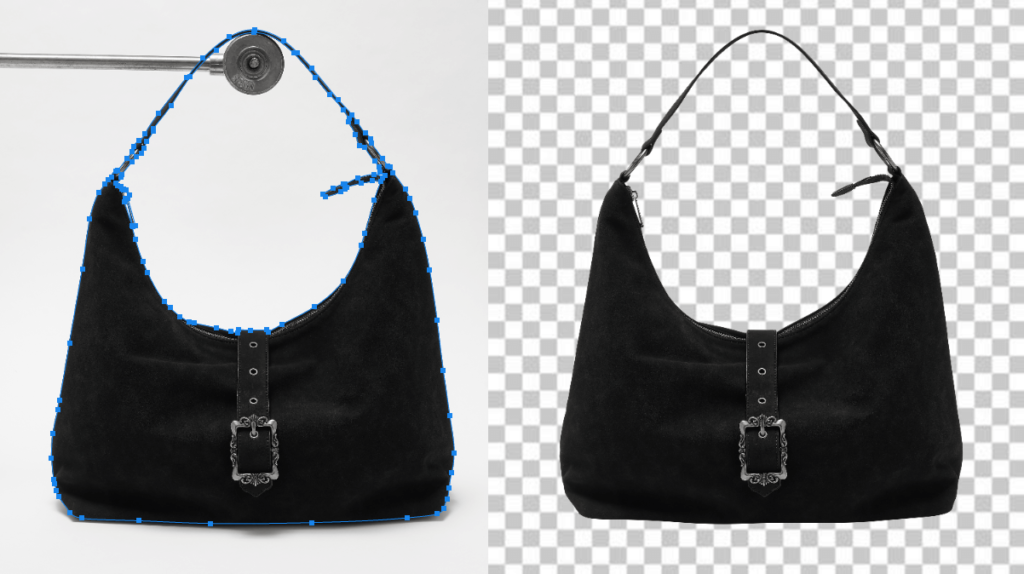
The single most commonly outsourced task. Clipping path and background removal are repetitive, high-volume tasks that require precision but not creative direction — making them ideal for outsourcing. For complex products with fine edges, image masking is the appropriate technique.
Color Correction and Grading
Color correction at volume — ensuring every product image matches brand color standards and physical samples — is a task that benefits enormously from a dedicated team working to a defined style guide.
Photo Retouching
General photo retouching — dust removal, surface cleaning, blemish removal, wrinkle smoothing — is high-volume, detail-oriented work that’s commonly outsourced across product, portrait, and fashion photography.
Ghost Mannequin Editing
Ghost mannequin editing requires specialized skill in neck joint composites and precise masking — a technique that’s commonly outsourced even by fashion brands with substantial in-house creative teams, simply because of the specialized technical skill required.
Shadow and Reflection Effects
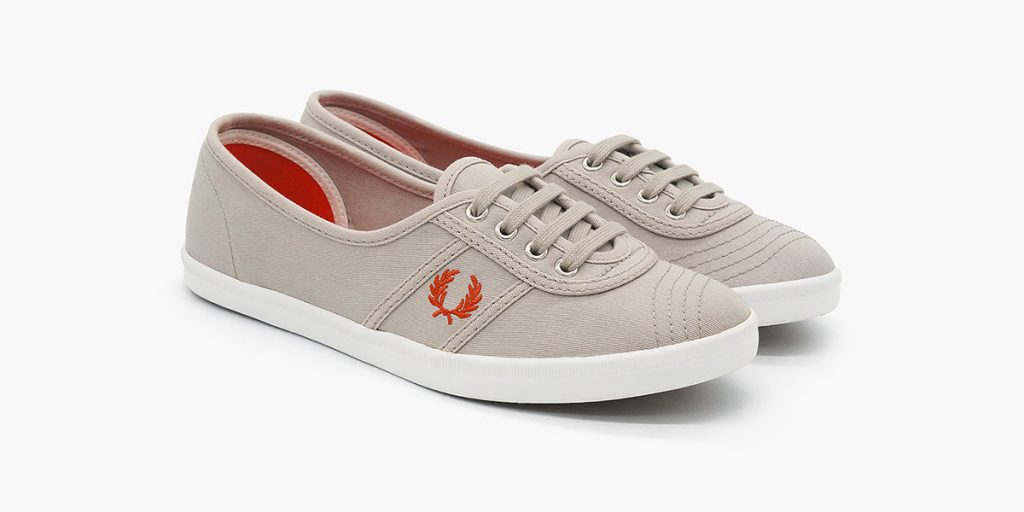
Creating realistic shadow effects — drop shadows, natural shadows, reflections — at volume across a product catalog is a precise, repetitive task well-suited to outsourcing.
Real Estate Photo Editing
HDR blending, sky replacement, virtual staging, and perspective correction for property photography is one of the most commonly outsourced categories — real estate photographers often shoot dozens of properties weekly and need fast, consistent real estate photo editing turnaround to keep listings moving.
Full eCommerce Catalog Editing
Many eCommerce brands outsource their entire eCommerce photo editing pipeline — from raw shoot files to marketplace-ready listing images — as a complete managed service.
| Task | Why It’s Commonly Outsourced |
|---|---|
| Background removal / clipping path | High volume, repetitive, requires precision not creativity |
| Color correction | Benefits from dedicated style-guide-driven team |
| Photo retouching | Detail-heavy, time-consuming surface work |
| Ghost mannequin editing | Requires specialized technical skill |
| Shadow / reflection effects | Precise, repetitive across full catalogs |
| Real estate editing | Fast turnaround needed for listing schedules |
| Full eCommerce catalog | End-to-end managed service for scale |
Stop Editing. Start Growing.
Clipping Path CA handles background removal, retouching, color correction, ghost mannequin, and full catalog editing for photographers and brands worldwide. From $0.25/image, 24-hour turnaround, free revisions.
In-House vs. Outsourcing Photo Editing — Honest Comparison
Neither approach is universally “better” — the right choice depends on your volume, budget, and the nature of your work. Here’s a balanced comparison:
| Factor | In-House Team | Outsourcing |
|---|---|---|
| Cost structure | Fixed (salary, software, hardware) | Variable (pay per image/project) |
| Scalability | Slow — requires hiring | Instant — scales with volume |
| Turnaround | Depends on team capacity | Typically 24–48 hours |
| Specialist skills | Limited to team’s expertise | Access to wide specialist pool |
| Brand control | Direct, immediate | Managed via style guides and briefs |
| Communication | Instant, in-person | Async, requires clear documentation |
| Best for | Low-to-medium volume, highly bespoke creative work | Medium-to-high volume, repeatable workflows |
Many established businesses use a hybrid model — keeping a small in-house team for creative direction, final quality control, and brand-defining hero images, while outsourcing the high-volume, repeatable editing work. This combines the brand control of in-house with the scalability and cost-efficiency of outsourcing.
How to Choose the Right Outsourcing Partner
The success of outsourcing photo editing depends heavily on choosing the right partner. Here’s what to evaluate:
Portfolio and Experience in Your Category
Review the provider’s portfolio for examples of work in your specific category — jewelry, fashion, electronics, real estate, etc. A provider with strong general retouching skills may still lack the specific expertise needed for your product type. Ask for examples of work similar to yours before committing.
Manual Editing vs. AI-Only
Many low-cost providers rely heavily on AI automation with minimal human review. For simple background removal on simple products, this can work. But for anything with complex edges, color-critical requirements, or brand-specific style, manual editing by experienced human retouchers consistently delivers better results. Ask directly: is this work done manually, by AI, or a hybrid — and what does quality control look like?
Turnaround Time
Confirm standard turnaround times and whether rush options are available for time-sensitive projects. 24-hour turnaround is the professional standard for most standard editing tasks — anything significantly slower may not fit fast-moving eCommerce or content calendars.
Free Trial and Sample Work
A provider confident in their quality will offer a free trial — typically a small batch of images edited at no cost so you can evaluate their work before committing to a paid project. This is the single best way to assess quality, communication, and turnaround before any financial commitment.
Revision Policy
Understand the provider’s revision policy before starting. Are revisions free? How many rounds are included? What’s the turnaround for revisions? A provider that charges for every revision or limits revisions heavily can become expensive and frustrating, particularly while you’re still establishing your style guide with a new partner.
Transparent, Scalable Pricing
Look for clear per-image pricing with published volume discount tiers. Avoid providers with opaque “package” pricing that bundles services in ways that make true cost comparison difficult. Transparent pricing also makes budgeting and scaling predictable as your volume grows.
Communication and Account Management
Even with the best editors, outsourcing relies on clear communication. Look for providers with responsive support, a clear point of contact, and a system for submitting briefs, reviewing work, and requesting revisions efficiently.
Read more: Professional Photo Retouching Services — Expert Manual Editing
Setting Up an Effective Outsourcing Workflow
Outsourcing success depends as much on how you manage the relationship as on who you choose. Here’s how to set up a workflow that delivers consistent results:
Create a Detailed Style Guide
A style guide is the single most valuable document you can provide an outsourcing partner. It should cover: background requirements (pure white, transparent, lifestyle), color treatment standards, shadow style, cropping and framing rules, file naming conventions, and export specifications for each platform. The more specific the style guide, the fewer revisions you’ll need.
Provide Clear Reference Images
Show, don’t just tell. Provide examples of previously edited images that represent your target standard, along with annotated examples showing common issues to avoid. Visual references communicate quality expectations far more effectively than written descriptions alone.
Start with a Small Test Batch
Before sending a large batch, send a small test set — 10–20 images representing the range of products or scenarios you’ll need edited. Review carefully, provide feedback, and confirm the standard before scaling up to full volume.
Establish a Regular Submission Schedule
For ongoing outsourcing relationships, a regular, predictable submission schedule (e.g., every Monday and Thursday) helps both sides plan capacity and maintain consistent turnaround times. Avoid irregular, unpredictable submission patterns that make capacity planning difficult for your outsourcing partner.
Maintain a Feedback Loop
Provide specific, actionable feedback on any issues — not just “this doesn’t look right” but “the background needs to be pure white RGB 255,255,255, currently it’s reading as off-white.” Specific feedback helps editors correct issues quickly and prevents the same mistakes from recurring.
| Workflow Element | Purpose |
|---|---|
| Style guide | Defines exact editing standards and specifications |
| Reference images | Visual examples of target quality |
| Test batch | Validates quality before scaling up |
| Submission schedule | Predictable workflow for both parties |
| Feedback loop | Continuous quality improvement |
Common Risks and Mistakes When Outsourcing Photo Editing
❌ Choosing Based on Price Alone
The cheapest provider is rarely the best value. Extremely low per-image pricing often correlates with heavy AI automation, minimal quality control, and inconsistent results — leading to high revision rates that erase the apparent cost savings. Evaluate quality and reliability alongside price, not instead of it.
❌ Vague or Missing Briefs
Sending images with minimal instructions (“make these look good”) leads to inconsistent results and frustrating revision cycles. Every brief should specify background requirements, color standards, shadow style, and any product-specific considerations.
❌ No Quality Control Process
Even with a reliable outsourcing partner, maintaining a quick internal QC step before publishing edited images catches occasional issues before they reach customers or go live. Spot-check batches rather than assuming every image is perfect without review.
❌ Ignoring Data Security
For brands working with unreleased product photography or sensitive campaign imagery, confirm the outsourcing partner’s data handling practices — file storage, deletion policies, and confidentiality agreements. Reputable providers will have clear policies and be willing to sign NDAs for sensitive projects.
❌ Switching Providers Too Frequently
Every new outsourcing relationship requires an initial ramp-up period where the provider learns your style preferences and standards. Frequently switching providers resets this learning curve repeatedly, leading to chronic inconsistency. Once you find a reliable partner, investing in the relationship typically pays off in improving quality and efficiency over time.
Outsourced Photo Editing Pricing Guide 2026
Outsourced photo editing pricing varies based on task complexity, volume, and turnaround requirements:
| Service | Price Per Image | Notes |
|---|---|---|
| Basic background removal | $0.25 – $1.00 | Simple products, bulk pricing available |
| Standard product retouch | $1.00 – $5.00 | Color correction, cleanup, shadow |
| Ghost mannequin editing | $3.00 – $8.00 | Apparel, neck joint composite |
| Real estate editing | $1.00 – $5.00 | HDR blend, sky replacement, per image |
| Jewelry / complex retouch | $5.00 – $30.00 | Reflection management, fine masking |
| Glamour / beauty retouch | $5.00 – $60.00 | Skin retouching, color grading |
Most providers offer significant volume discounts for ongoing relationships and larger batches — often 10–30% off standard rates for orders of 100+ images per month. Get a custom quote based on your specific volume and requirements.
Read more: eCommerce Photo Editing — Complete Guide for Online Sellers
Frequently Asked Questions
What does it mean to outsource photo editing?
Outsourcing photo editing means hiring an external company or team to handle image post-production — such as background removal, retouching, color correction, and compositing — instead of doing it in-house. You send images and instructions, and receive finished, ready-to-use files in return.
Is outsourcing photo editing cheaper than hiring in-house?
For most businesses, yes. Outsourcing converts the fixed costs of salaries, software licenses, and hardware into a variable per-image cost that scales with actual volume. An in-house team only becomes more cost-effective at very high, consistent volumes where dedicated staff can be kept fully utilized year-round.
How long does outsourced photo editing take?
The professional standard turnaround for outsourced photo editing is 24–48 hours for standard batches. Rush services can deliver faster for time-sensitive projects, while very large batches (1,000+ images) may require additional time scheduled in advance.
Is it safe to outsource photo editing for unreleased products?
Yes, with the right precautions. Choose providers with clear data confidentiality policies and be willing to sign an NDA for sensitive projects. Reputable outsourcing companies handle pre-release product photography for major brands regularly and have established secure file handling processes.
Should I outsource everything or keep some editing in-house?
Most established brands use a hybrid approach — outsourcing high-volume, repeatable tasks like background removal and standard retouching, while keeping creative direction, hero image editing, and final quality control in-house. This balances cost-efficiency with brand control.
How do I know if an outsourcing partner is reliable?
Look for a strong portfolio in your specific category, a free trial offer, transparent per-image pricing, a clear revision policy, and responsive communication. Start with a small test batch before committing to large volumes — this is the best way to evaluate quality and reliability before scaling up.
Conclusion
Outsourcing photo editing has moved from a niche cost-cutting tactic to a mainstream business strategy used by photographers, eCommerce brands, fashion labels, and agencies of every size. Done well — with the right partner, a clear style guide, and a sensible workflow — it delivers faster turnaround, professional consistency, and significant cost savings, while freeing your team to focus on the work that actually grows your business.
The key to success is treating outsourcing as a partnership, not a transaction. Invest time in building a clear style guide, start with a test batch, communicate feedback specifically, and choose a partner based on quality and reliability — not price alone. Get these fundamentals right, and outsourcing photo editing becomes one of the most reliable, scalable parts of your entire image production pipeline.
Ready to Outsource With Confidence?
Clipping Path CA is trusted by photographers, eCommerce brands, and agencies worldwide for reliable, professional photo editing outsourcing. Manual editing by expert Photoshop retouchers, transparent per-image pricing, 24-hour turnaround, and free revisions. From $0.25/image.